Jamaican Food in Denver: Top-Rated Spots for Island Favorites
Denver is not a city with a huge, sprawling Jamaican restaurant scene. That matters, because anyone searching for jamaican food denver is usually looking for something specific: not just vaguely Caribbean flavors, but the real comfort-food staples. Proper jerk chicken with smoke and heat. Oxtail that collapses at the touch of a fork. Rice and peas that tastes like it came from a pot, not a steam table. Plantains with caramelized edges. Patties that leave flakes all over your shirt if you eat them in the car.
The good news is that Denver does have those meals if you know what to look for. The better news is that smaller scenes often reward people who pay attention. In cities where Jamaican food is everywhere, it can be easy to drift into a tourist version of the cuisine. In Denver, the best places tend to be family-run, tightly focused, and built around a few dishes they genuinely care about. You may have to drive a little farther than you would for tacos or pho. You may need to double-check hours. You may even need to accept that the kitchen is out of a favorite item by late afternoon. That trade-off is usually worth it.
What makes a Jamaican spot stand out in Denver
A strong Jamaican restaurant does not need an encyclopedic menu. In fact, a shorter menu is often a good sign. If a kitchen is doing jerk chicken, curry goat, braised oxtail, escovitch fish, patties, coco bread, and several sides well, that is already a lot to manage. The restaurants that earn repeat business usually show discipline. They know which dishes define them, and they keep those dishes consistent.
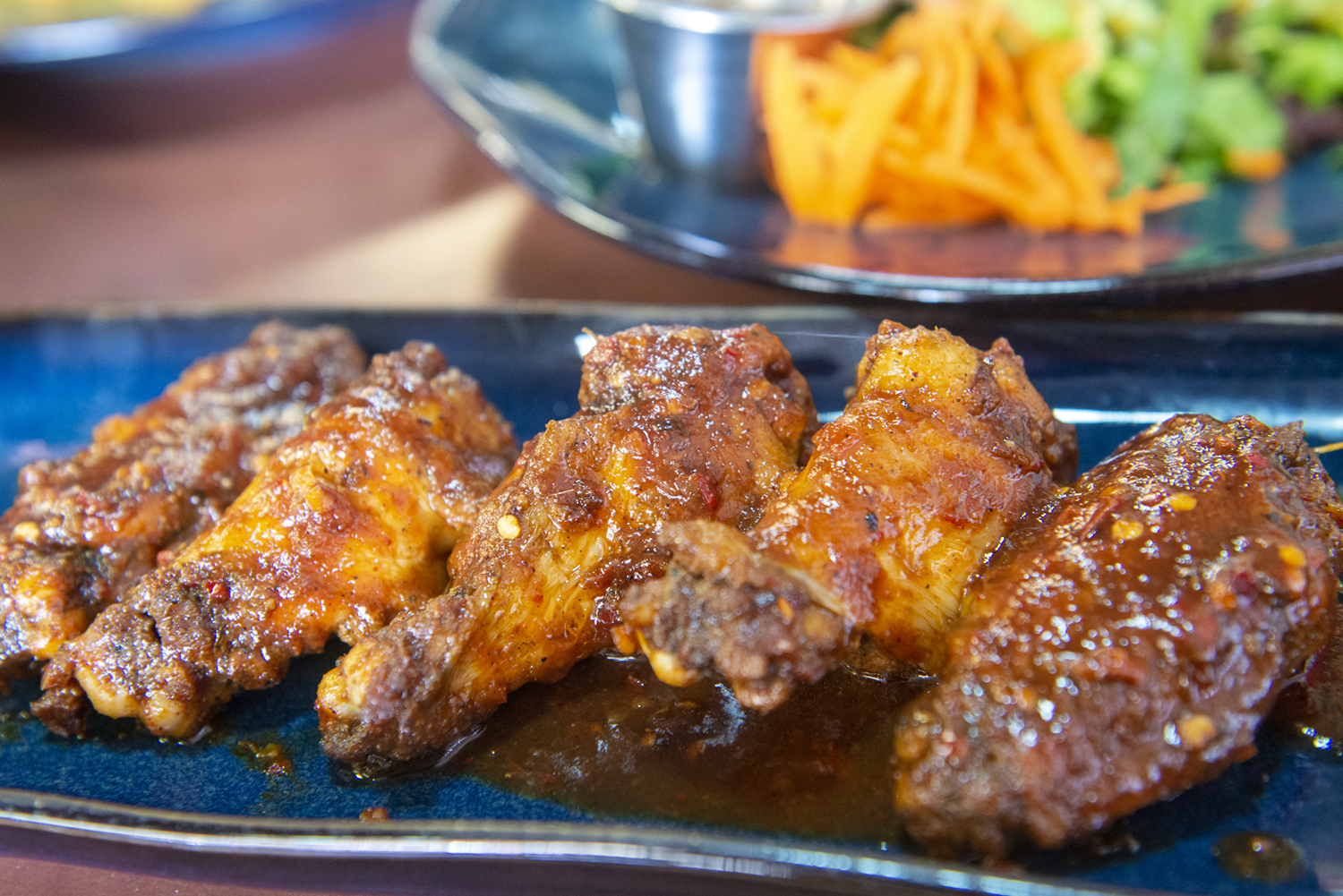
Jerk is the first test most people use, and for good reason. Real jerk is not just grilled chicken with a sweet-spicy glaze. It should carry layers of allspice, thyme, scallion, Scotch bonnet heat, and smoke. The texture matters too. Good jerk has contrast, charred edges, juicy meat, and enough seasoning to perfume the rice next to it. In Denver, where https://maps.app.goo.gl/37JZ7dpqaHRz7t9A9 altitude and dry air can make grilled meats unforgiving, a kitchen that nails jerk is telling you something about its technique.
Oxtail is the second test. It is one of the dishes that separates casual interest from real commitment because it is expensive, time-consuming, and impossible to fake. Good oxtail should be dark, glossy, and deeply savory, with gravy that soaks into rice and peas. If the sauce tastes thin or one-note, the kitchen is probably cutting corners. If it tastes like stock, aromatics, browning, and patience, you are in the right place.
Then there are the details that experienced diners notice quickly. Rice and peas should taste seasoned on its own, not like plain white rice with beans added later. Cabbage should still have some life to it. Fried plantains should be sweet but not mushy. Patties should have a crust with a little snap. Pepper sauce should add brightness and fire rather than just brute heat. These are not minor touches. In a cuisine built on layered seasoning and long-cooked flavors, the sides and condiments tell you whether the kitchen respects the whole plate.
Why Denver’s Jamaican food scene feels smaller, and why that is not always a drawback
Denver has long been stronger in Mexican, Vietnamese, Ethiopian, and newer pan-Caribbean options than in Jamaican specialization. That means the city’s Jamaican offerings can feel scattered. You may find one serious Jamaican kitchen in a suburban strip center, another operating with limited lunch hours, and a third showing up mainly through catering, takeout, or weekend service. For diners used to larger East Coast scenes, that can seem inconvenient at first.
But smaller scenes often preserve individuality. Instead of ten restaurants chasing the same downtown crowd, you get businesses that develop around community support, family recipes, church catering, and word of mouth. In practice, that often means richer gravies, more assertive spice profiles, and less menu dilution. The food is not trying to please everybody.
This also means expectations need adjustment. A Denver Jamaican restaurant may be excellent while still feeling informal. Service can be warm but direct. Dining rooms may be modest. Portions may vary depending on when you go and what just came off the stove. If you arrive near closing and the curry goat is sold out, that is frustrating, but it is often a sign that the food is being made in finite batches rather than treated as mass-produced inventory.
The dishes worth ordering first
When people start exploring Jamaican food in Denver, they often gravitate straight to jerk chicken, and that is still the right move. It gives you the clearest read on the kitchen’s hand with seasoning and fire. If the restaurant offers dark meat as standard, that is usually a plus. Thighs and legs hold up better to aggressive seasoning and high heat than breast meat does.
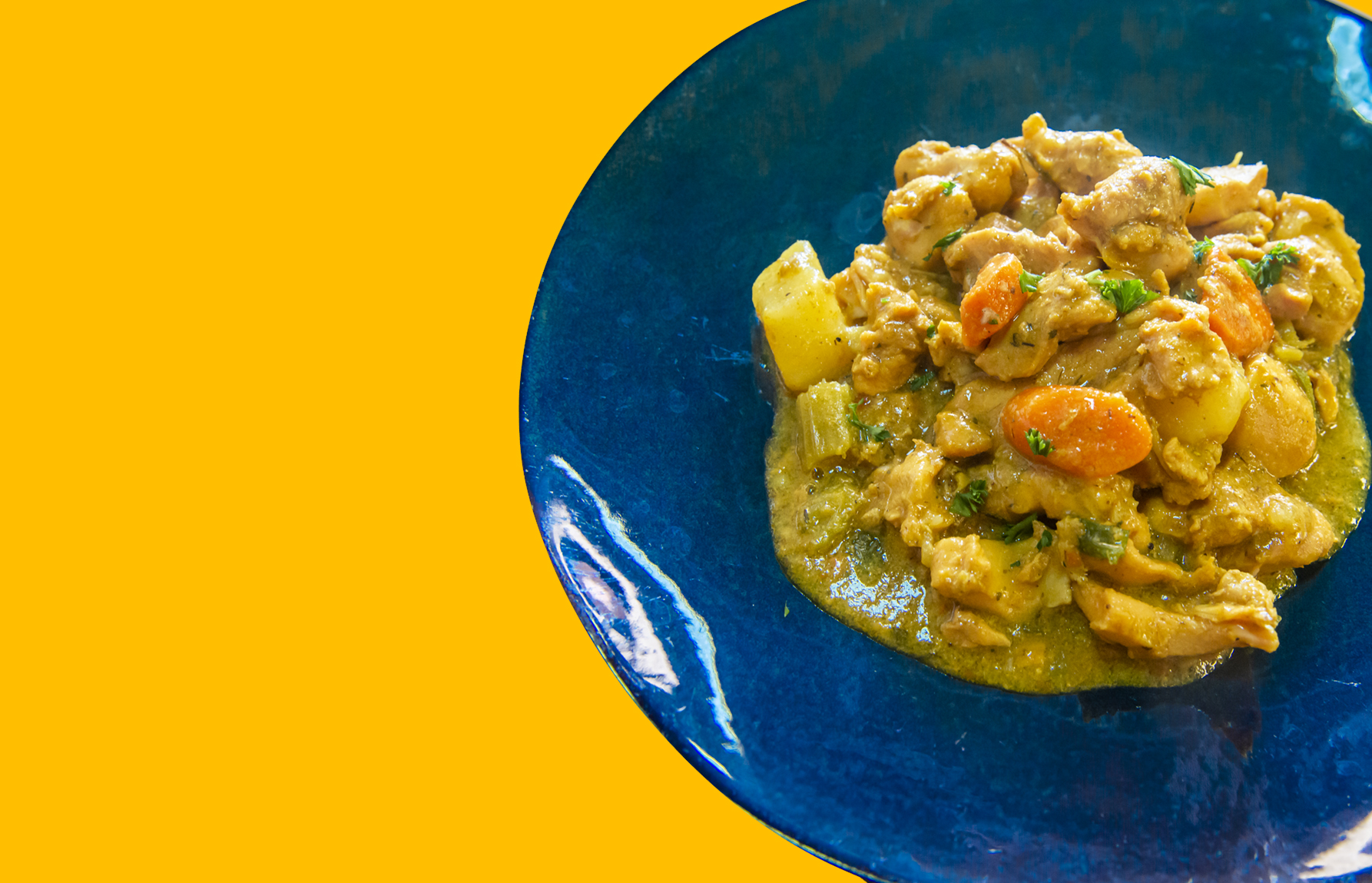
After jerk, the next plate to order depends on your appetite and your patience. Oxtail is rich and luxurious, but it is also usually the most expensive item on the menu. Curry goat offers many of the same comforts, deep spice, long braise, satisfying bone-in flavor, often at a slightly lower price. Brown stew chicken is an excellent middle-ground choice and, in many kitchens, one of the most revealing dishes. It is less flashy than jerk or oxtail, so a restaurant that makes memorable brown stew chicken is usually cooking with confidence.
Patties deserve more respect than they sometimes get. A good beef patty can be a quick lunch, a late-afternoon snack, or the smartest first order when you are trying a place for the first time. The crust should be golden and flaky, not soft and bready. The filling should be moist, well-spiced, and compact enough not to leak out in one bite. If the shop has coco bread and will make a patty sandwich, order that at least once. It is simple, filling, and very hard not to love.
Escovitch fish is another dish worth seeking out when available. It is less common as an everyday takeout item because it requires more finesse and timing, but when a restaurant offers it regularly, that usually signals ambition. The contrast between crisp fish and vinegary pickled vegetables can be fantastic, especially if you want something with acid and heat rather than heavy gravy.
How to tell if a place is top-rated for the right reasons
Online ratings help, but they can be misleading for niche cuisines. A Denver diner who grew up with Jamaican food and a diner trying oxtail for the first time may not value the same things. The first person might praise a place for proper spice and depth. The second might complain that the sauce is “too strong” or that the service feels brisk. Reviews need interpretation.
The most useful signs are more practical. First, look at what regulars mention repeatedly. If people keep talking about the same two or three dishes, pay attention. Second, notice whether reviews mention sellouts. For cuisines built around braising and batch cooking, running out of food can mean strong demand and fresh turnover. Third, read comments about sides and sauces. People who mention cabbage, peas, patties, or pepper sauce are usually giving you a more informed read than people who simply call something “good.”
A restaurant’s social media can also tell you a lot, not because polished marketing means better food, but because consistency shows care. A kitchen that posts specials, holiday hours, catering trays, and photos of actual food service is often actively engaged with its customers. That matters in a dining category where hours can shift and some of the best operators are balancing restaurant service with catering or events.
What Denver diners should expect to pay
Jamaican food is not always cheap, and in Denver it can feel especially premium compared with more common fast-casual options. That is not necessarily a red flag. Oxtail prices have climbed nationally, and goat has never been a low-cost protein. A generous jerk chicken plate may still feel like fair value because it usually includes substantial sides. Oxtail, by contrast, may land in a price range that makes some diners pause.
The right way to judge value is not by the sticker price alone. Ask whether the portion is satisfying, whether the rice is properly cooked and seasoned, whether the meat is tender, and whether the leftovers hold up. Jamaican food often shines the next day. A container of curry goat or oxtail over fresh rice at home can feel like getting two meals from one order. That changes the math.
Lunch specials, if available, are often the smartest entry point. A lunch-size jerk plate or a pair of patties with a drink lets you sample a kitchen without committing to the most expensive items. If you are trying a place for the first time, that approach gives you useful information fast.
The neighborhoods and formats where you are most likely to find good Jamaican food
One practical reality of jamaican food denver searches is that the best results are not always in the central city. Some of the strongest Caribbean and Jamaican-adjacent options tend to appear in outer neighborhoods, in Aurora, in suburban corridors, or in low-key retail strips where rent is lower and family-run businesses can survive. That is common in many cities, not just Denver.
Food trucks and pop-ups also matter more here than people expect. In a scene that is still relatively compact, a great cook may choose catering, event service, or a weekend pop-up over the expense of a full-time dining room. If you are serious about finding excellent Jamaican food, it helps to broaden your search beyond traditional restaurant listings. Farmers markets, cultural festivals, brewery pop-ups, and local food events can lead you to some of the most memorable plates in town.
Ghost kitchens and delivery-first operations are more complicated. Sometimes they are a smart way for talented cooks to reach customers without the overhead of a storefront. Sometimes they are forgettable concepts built for app visibility. The only reliable approach is to examine menus carefully and read recent reviews rather than older, aggregated ratings.
Timing matters more than many people realize
Jamaican food is often best when the kitchen is in rhythm. That usually means late lunch through early dinner, not the final half-hour before closing and not always the first moments after opening. Braised dishes need time to settle into themselves. Jerk chicken often improves as the day goes on, assuming the kitchen is managing turnover well.
Weekends can be the sweet spot for broader menus. Some restaurants bring out special items on Friday or Saturday, especially dishes that take more prep or appeal to a community crowd. The downside is that popular items may sell out earlier. If you have your heart set on oxtail, escovitch fish, or a specific soup, call ahead. That is not fussy. It is practical.
For takeout, give yourself a few extra minutes. Jamaican meals are often saucier and more layered than quick-service food built strictly for speed. The best version of that food is worth waiting for, especially if the alternative is something sitting under a heat lamp.
A smart way to order when you are trying a new place
If you want the clearest picture of a Jamaican restaurant, order across a few textures and techniques. One grilled or smoked item, one braised item, and one pastry or side usually tells you almost everything you need to know. For most people, that means jerk chicken, curry goat or oxtail, and a beef patty or fried plantains.
Here is the most useful first-visit lineup if you are dining with one other person:
- Jerk chicken with rice and peas
- Curry goat or oxtail, depending on budget
- One beef patty, ideally with coco bread if offered
- A side of plantains
- A house drink such as ginger beer or sorrel, if available
That order shows you how the kitchen handles smoke, braising, pastry, starch, and sweetness in one meal. It also avoids the common mistake of ordering only jerk and assuming you now understand the whole restaurant.
Common disappointments, and how to avoid them
Not every underwhelming meal means the restaurant is bad. Sometimes the issue is simply ordering the wrong thing at the wrong time. Dry jerk can happen if you arrive late and the final pieces have been holding too long. Soggy patties can happen if they have been sitting in a warmer instead of coming out fresh. Escovitch fish may suffer in delivery. Even excellent cabbage can steam itself soft in a tightly packed to-go box during a long drive home.
The easiest fix is to match the dish to the format. Jerk, curry, and oxtail generally travel well. Fried fish does best when eaten promptly. Patties are best fresh or reheated properly at home, not left in the bag while you run errands. If you are unsure, ask the staff what is moving quickly that day. In most good restaurants, that question gets you a straight answer.
Another disappointment comes from mismatched spice expectations. Jamaican food can be deeply seasoned without being brutally hot, but pepper sauces and Scotch bonnet-based dishes can still surprise people. If you enjoy heat, ask for the hot sauce on the side first. You can always add more. If you do not enjoy much heat, say so clearly. Most kitchens can guide you toward dishes with warmth rather than fire.
What separates a memorable Jamaican meal from an average one
It usually comes down to balance. The best Jamaican meals do not rely on one dramatic flavor. They layer smoke, sweetness, allspice warmth, chile heat, herbal freshness, and savory depth in a way that feels generous rather than loud. A plate of jerk chicken is not memorable because it is hot. It is memorable because the heat rides alongside char, thyme, scallion, citrus, and the richness of dark meat.
Texture is just as important. Oxtail should feel sticky and lush, not greasy. Rice and peas should be distinct enough to fork cleanly while still carrying flavor. Plantains should show caramelization. Patties should shatter a little at the edge. Even simple steamed cabbage should bring contrast and relief to the plate.
That is why the best Jamaican food in Denver tends to create loyal regulars. Once you find a place that gets those fundamentals right, you return not only for a dish but for a full pattern of flavors you cannot quite replace elsewhere.
The larger appeal of Jamaican food in Denver right now
There is also a broader reason Jamaican food resonates here. Denver diners have become far more adventurous over the past decade, but they have also become more demanding. People want food with identity. They want recipes that mean something to the people cooking them. They want dishes that are not smoothed out for broad approval.
Jamaican food answers that demand beautifully. It is comforting and vivid at the same time. It can feed a family, satisfy a late-night craving, or anchor a celebratory meal. It works for takeout, for catering, and for the kind of lunch that ruins your plans for the next hour because all you want afterward is a nap.
If you are searching for the best jamaican food denver has to offer, go in with a little patience and a sharp eye. Do not judge a place by a plain storefront. Do not assume the best meal is downtown. Do not confuse a giant menu with expertise. Look for smoke, gravy, seasoning, and signs that people return for specific dishes. Ask what is fresh. Order at least one braise. Get the patty. If the plantains are available, say yes.
Denver may not have the largest Jamaican dining scene in the country, but that is not the standard that matters. What matters is whether the plate in front of you tastes cared for, seasoned with conviction, and worth driving across town for. When you find that kind of kitchen, you have found the right spot.
Reggae Pot Jamaican Grill
Address: 2243 S Monaco St Pkwy #104, Denver, CO 80222
Phone number: +17204102956
FAQ About Jamaican Food Denver
What is typical Jamaican food?
Typical Jamaican food features bold, vibrant flavors created by blending African, Taino, European, and Asian influences.
What is a famous Jamaican dish?
Ackee and saltfish is Jamaica's national dish, made by sautéing the soft local ackee fruit with salted cod, onions, tomatoes, and spicy Scotch bonnet peppers.
What food is most popular in Jamaica?
The most popular and famous food in Jamaica is Jerk Chicken, celebrated worldwide for its smoky, spicy flavor.
Ends · EDWINKMGM322